

Preventing gambling addiction Essential strategies for a healthier mindset
Understanding Gambling Addiction
Gambling addiction, also known as compulsive gambling, is a behavioral disorder characterized by an uncontrollable urge to gamble despite the negative consequences. This addiction can lead to severe financial problems, strained relationships, and mental health issues, such as anxiety and depression. Understanding the psychological and emotional triggers behind this addiction is crucial for prevention. Many individuals may gamble to escape stress or boredom, while others might do so to seek validation or thrill, making it essential to explore options like neteller betting sites.
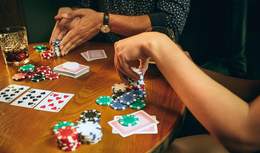
Moreover, gambling addiction can affect anyone, regardless of age, gender, or socioeconomic status. The appeal of winning money quickly can cloud judgment, leading people to chase losses or bet more than they can afford. This cycle often results in a deepening sense of hopelessness and despair. Education about these risks is essential for individuals and their loved ones to recognize early signs and intervene before the addiction worsens.
Education is a powerful tool in preventing gambling addiction. By understanding the signs and symptoms, individuals can develop healthier relationships with gambling or abstain altogether. Awareness campaigns and support networks can play a significant role in promoting responsible gambling behaviors. It is essential to create an environment where individuals feel safe discussing their gambling habits without judgment, fostering openness and understanding.
Establishing Personal Limits
Setting personal limits is a fundamental strategy for preventing gambling addiction. This includes establishing both financial and time constraints on gambling activities. By deciding in advance how much money and time will be allocated to gambling, individuals can better manage their impulses. Sticking to these limits can prevent the slippery slope of excessive gambling, which often begins subtly.
To effectively implement these limits, it may be helpful to use tools such as budgeting apps or gambling self-exclusion programs. These resources can aid individuals in tracking their spending and time spent gambling, creating an accountability system. Furthermore, discussing these limits with family or friends can provide additional support, making it easier to adhere to personal boundaries.
Creating a plan for what to do if urges arise is also essential. This might involve engaging in alternative activities, such as sports or hobbies, that promote well-being and social connection. By proactively addressing potential triggers, individuals can develop a healthier mindset that reduces the likelihood of gambling becoming a compulsive behavior.
Seeking Professional Help
When gambling starts to impact daily life, seeking professional help is vital. Therapy options, such as cognitive-behavioral therapy (CBT), can offer valuable strategies to address compulsive gambling behaviors. Through professional guidance, individuals can learn to identify and change the thought patterns that lead to unhealthy gambling practices.
Support groups, like Gamblers Anonymous, provide a sense of community and understanding. These groups create a safe space for individuals to share their experiences and challenges, which can be incredibly therapeutic. Hearing stories of recovery can inspire hope and motivate individuals to seek the help they need. It’s also beneficial to involve family members in the recovery process, as their support can play a significant role in healing.
In addition to therapy and support groups, various resources, such as hotlines and online forums, offer guidance and encouragement. It is essential to remember that reaching out for help is a sign of strength, not weakness. Taking that first step can significantly improve one’s mental health and overall quality of life.
Promoting Healthy Coping Mechanisms
Developing healthy coping mechanisms is crucial for anyone at risk of gambling addiction. Instead of turning to gambling as a means of escape, individuals can cultivate alternative methods to manage stress and emotional turmoil. Techniques such as mindfulness, meditation, and physical exercise can be highly effective in promoting mental clarity and emotional stability.
Engaging in hobbies and activities that provide fulfillment can also serve as powerful alternatives to gambling. Creative pursuits, volunteer work, or social gatherings can help individuals fill their time with more positive experiences. Finding joy in these activities can reduce the allure of gambling, making it easier to stick to personal limits.
Education on emotional regulation and problem-solving can further enhance coping skills. Individuals should be encouraged to explore their feelings and understand the underlying emotions that lead to gambling urges. This proactive approach to mental health will empower individuals to make more informed decisions regarding their gambling habits.

Resources for Responsible Gambling
Many resources are available to support individuals in their journey towards responsible gambling. Numerous organizations offer educational materials and tools designed to raise awareness of gambling addiction. These resources can help individuals recognize the signs of problematic gambling and encourage them to seek help when needed.
Websites dedicated to gambling education often provide self-assessment quizzes to help individuals evaluate their gambling habits. Additionally, these platforms often feature informative articles and videos discussing the risks associated with gambling. Utilizing these resources can help foster a more informed public, ultimately contributing to a decline in gambling addiction rates.
It is also important for gambling establishments to promote responsible gaming practices. By providing information on setting limits and recognizing the signs of addiction, these businesses can create a healthier environment for their patrons. Responsible gambling initiatives can help minimize the adverse effects of gambling while still allowing individuals to enjoy the activity in moderation.